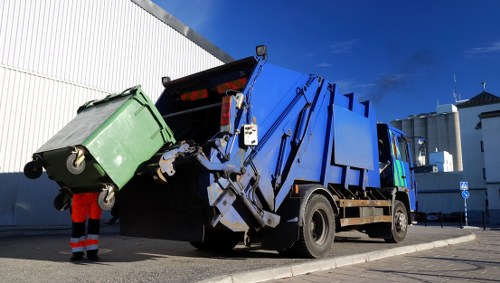
 Commercial Waste Removal Beckenham: Recycling and Sustainability Commitment
Our commercial waste removal in Beckenham service is built around a clear, measurable sustainability plan designed for the local eco-friendly waste disposal area. We work across the town and the surrounding boroughs to provide sustainable rubbish area solutions that reduce landfill, boost reuse and increase local recycling rates. This page outlines our targets, partnerships, transfer station routing and the low-carbon vehicles we deploy to keep commercial waste removal Beckenham as green as possible.
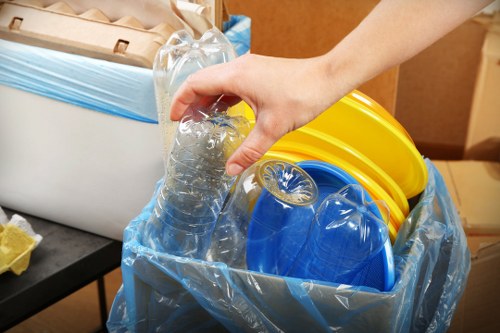
 Beckenham businesses benefit from a pragmatic approach to recycling that aligns with the London Borough of Bromley’s waste separation strategy — separating paper, card, glass, mixed plastics and food waste at source. We support workplace segregation with colour-coded bins, clear signage and regular staff briefings to improve capture rates for reuse and recycling.
Targets and Performance: Recycling Percentage and Ambitions
 We have set a bold recycling percentage target of 70% by 2028 for all commercial collections carried out in the Beckenham area. This target reflects a mix of immediate operational improvements and longer-term behavioural change initiatives with our clients. To reach this goal we focus on three pillars: source segregation, diversion to authorised recycling routes and maximising material recovery via our partnerships.
Key operational commitments include:
- Mandatory source separation: Encouraging businesses to segregate organics, paper and card, glass, and mixed recycling to raise capture rates.
- Regular audits: Monthly waste composition checks and bespoke recommendations for high-volume premises.
- Data-driven reporting: Transparent tonnage and recycling percentage feedback so clients can track waste performance.
Local Transfer Stations and Authorised Recycling Routes
We route commercial loads to licensed local transfer stations and materials recycling facilities (MRFs) serving the Beckenham and Bromley area. These transfer stations are vetted for environmental compliance and capacity to separate, bale and forward recyclables to processors across the UK and Europe. By using nearby facilities we reduce journey miles and maintain the integrity of separated streams (paper, glass, rigid plastics, food waste).
Examples of local activity include co-ordinated drop-offs to Bromley-area transfer sites and arranging bulk food waste collections to anaerobic digestion partners. This integrated approach keeps our commercial waste disposal Beckenham operations efficient and within the borough’s expectations for sustainable processing.
Partnerships with Charities and Reuse Organisations
 A core part of our sustainable rubbish area strategy is establishing reuse pathways. We partner with local charities and social enterprises to divert reusable items from commercial clear-outs — from office furniture and electronic equipment to textiles and shelving. Routine salvage sessions reduce waste tonnage and support community causes across Beckenham.
Charities and partners we work with include regional re-use charities and national organisations that accept commercial donations. When items are unsuitable for direct reuse, we channel recoverable materials to specialist processors. These networks mean that repair, refurbishment and resale are prioritised before recycling.
Low-Carbon Fleet and Sustainable Operations
 Our fleet includes electric and Euro 6 low-emission vans specifically assigned to inner-Beckenham rounds to lower urban air pollution and carbon output. For larger commercial jobs, we deploy hybrid or low-emission trucks and plan routes to minimise empty running. We also perform fleet efficiency reviews and invest in telematics to reduce idling and improve fuel economy.
Fleet highlights:
- Electric vans for short urban routes to serve town centre shops and offices.
- Euro 6 and hybrid vehicles for heavier loads and longer distance transfers.
- Route optimisation to cut miles and emissions across the commercial collection network.
How We Support Local Waste Separation Practices
We tailor our commercial recycling Beckenham services to align with borough guidance: separate collections for food waste, paper & card, glass, and common dry recyclables. For multi-occupancy buildings we assist management through practical bin layouts and clear labelling so tenants understand what belongs in each stream. Education and consistency are crucial: small changes at source yield large improvements in recycling percentage and reduced contamination.
To make segregation easy we offer colour-coded bins, compacting options, and scheduled collections that match customer needs. For high-contamination streams we provide targeted interventions such as waste station overhauls and pictorial signage to help staff and contractors comply with the recycling protocols used by local authorities.
Measuring Impact and Continuous Improvement
We publish regular performance snapshots for our commercial clients that highlight diversion rates, recycling percentages and carbon savings from low-carbon vehicle deployment. Through quarterly reviews we identify quick wins and longer-term investments that drive the sustainable rubbish area forward — from expanding reuse partnerships to trialling more electric vehicles for busy urban routes.
Our promise: to continually raise recycling percentage targets, reduce landfill dependency and support Beckenham’s transition to a circular economy by prioritising reuse, recycling and low-emission logistics across all commercial waste services.
Get Involved with Local Sustainable Waste Efforts
Businesses in Beckenham can join in by adopting source separation, donating reusable items to our charity partners and choosing low-carbon collection options. Together we can expand the reach of eco-friendly waste disposal area practices and make the commercial waste disposal Beckenham sector a leader in sustainable urban waste management.
Next steps include: auditing current waste streams, implementing targeted segregation, and collaborating with our approved transfer stations and charities to close the loop on materials.