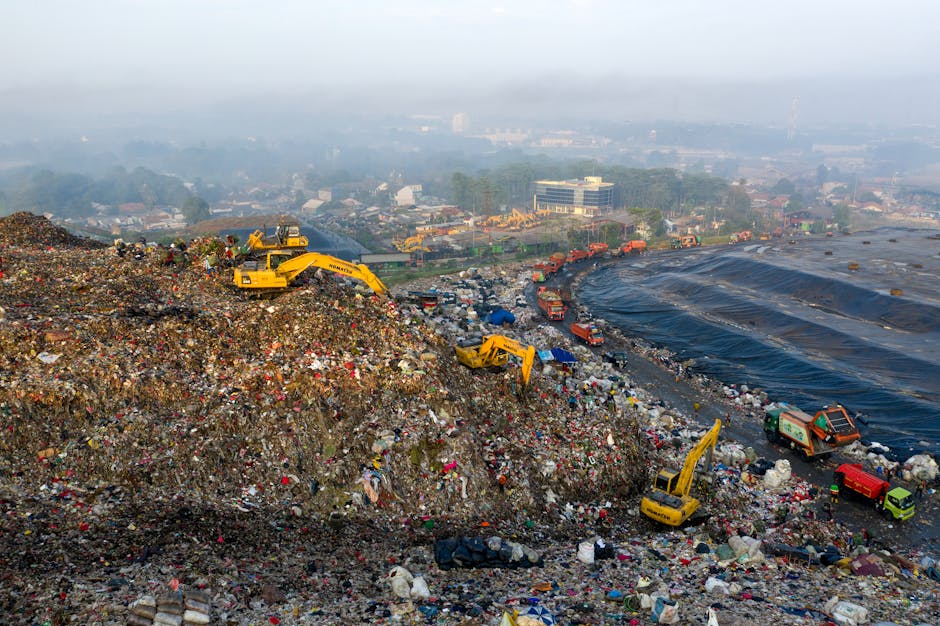
Commercial Waste Removal in Beckenham

Commercial waste removal in Beckenham should be straightforward, well organised and suited to the way local businesses actually work. We handle the collection and removal of commercial waste streams such as office rubbish, retail packaging, light bulky items and other routine non-hazardous materials that need to be cleared without disrupting day-to-day operations. The focus is on a clean, practical service that helps premises stay usable, presentable and easier to manage.
Businesses produce different kinds of waste at different rates, so the right approach depends on what needs removing, how it is stored and how access is arranged. A good clearance plan separates recyclable material from general waste where possible, keeps the load manageable and makes sure the collection fits the site rather than the other way round. Commercial waste removal is rarely just a matter of lifting bags; it is about handling mixed items carefully and disposing of them in a sensible, compliant way.
For a quotation, it helps to set out the type of waste, the volume involved and any access points or restrictions. If you need a practical starting point, tell us what needs clearing and when it needs to go. We can then look at the most suitable service route for your premises and advise on the next step. Request a quote when you are ready.
Office waste and workplace clearances
Office waste can build up in cupboards, stores, back rooms and shared work areas, especially when equipment is replaced, files are archived or layouts change. Our office clearance work covers general office rubbish, redundant desks and chairs, broken fixtures, packaging and mixed non-confidential items that no longer serve the business. The aim is to clear usable space without creating unnecessary interruption for staff, visitors or neighbouring units.
If a workplace clearance includes sensitive material, it is important to separate it from ordinary rubbish before collection. Not everything in an office can be treated the same way, and some items need more careful handling than others. For that reason, it is useful to identify what must stay in place, what can be dismantled and what can be lifted as a single item. Confidential shredding is relevant where paperwork or records need to be treated separately from standard waste.
Planning the work around the site
Office collections are usually easier when the waste has been grouped by area and the access route is clear. That might mean stacking furniture in one room, keeping paper in sacks or boxes and making sure corridors and exits stay unobstructed. Two details help most: what is being removed and where it is located. Those points give a more accurate quotation and help avoid delays on the day.
Business waste streams and regular clearance needs

Some businesses need a one-off clearance after a refit, while others need a recurring waste removal arrangement because stock, packaging or operational debris builds up quickly. Our business waste removal service is aimed at those routine needs where general rubbish, mixed non-hazardous waste and bulky items have to be taken away in a tidy, dependable manner. The service suits shops, offices, workshops and other commercial premises that need a practical disposal option.
Different waste streams often need different handling. Cardboard, shrink wrap, mixed general waste and broken fittings may all come from the same business, but they are not always best treated as one pile. Separating material at source can make the clearance more efficient and more orderly. If you are comparing options for pricing or service scope, pricing and quotes explains the sort of information that typically affects the estimate.
Where access is limited, a business may need the waste moved in stages rather than all at once. That can apply in narrow service yards, shared access corridors or premises with strict opening hours. The point is not to make the job more complicated than necessary, but to keep the operation safe and predictable. A simple list of items, approximate quantity and any timing constraints usually makes planning much easier.
Furniture disposal for commercial premises
Furniture disposal is a common requirement when businesses replace old seating, desks, shelving or reception pieces. Rather than letting redundant items sit in storage rooms or corridors, they can be removed as part of a clear disposal plan. We collect a range of office and commercial furniture, including items that are too bulky for ordinary waste handling and need to be carried out carefully.
Some furniture can be separated into reusable or recyclable components, while other pieces are simply ready for disposal. The important thing is to identify what the item is made from and whether it can be taken apart without damage to the building or surrounding fittings. Furniture disposal is a useful page to review if you want to understand how those items are typically handled within a clearance.
What to include in a furniture clearance
When requesting a quote, it helps to mention the type of furniture, whether it is fixed or free-standing and whether any stair access or narrow turns are involved. Large or awkward items can take more time to move, so accurate descriptions matter. It is also helpful to say whether the furniture is in one room, spread across the premises or stored in a back area that is harder to reach.
Retail, stockroom and mixed premises waste
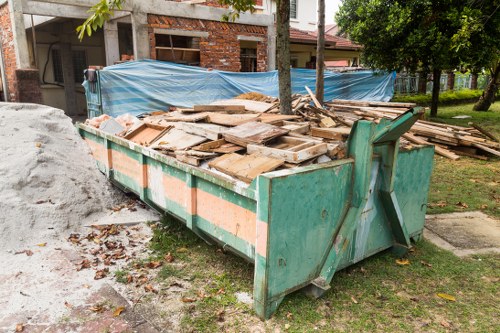
Retail units and mixed-use premises often generate a broad mix of waste: packaging, damaged stock, broken displays, old signage and general rubbish from storage or refurbishment. Our commercial waste removal service can cover these day-to-day and occasional clearances where the material is no longer needed but still needs to be removed tidily. That helps keep the site clearer for staff and easier for customers to navigate.
Stockrooms are often the most cluttered part of a business because they collect items that are waiting for sorting, repair or disposal. A structured clearance usually works best when the load is grouped into obvious categories so that the waste can be lifted efficiently. If your premises also has old furniture or larger fixtures to remove, furniture clearance is a relevant option for understanding that side of the work.
For businesses that are modernising, downsizing or simply reorganising, the most useful question is often not whether waste exists, but how much of it can be dealt with in one visit. Clear access, a sensible loading point and a short item list all help keep the job practical. Where possible, separate anything that should not go with general waste so the collection can proceed without confusion.
Recycling, reuse and waste sorting
Many commercial clearances involve materials that benefit from sorting before removal. Cardboard, metal, plastic packaging, old office items and mixed general waste may all be present in the same space, but they do not always belong in the same disposal stream. A considered approach to recycling and sustainability can reduce avoidable waste and make the collection easier to organise.
That does not mean every item can or should be separated on site. Some loads are too mixed, too bulky or too time-sensitive for detailed sorting at the premises. The practical approach is to identify what is clearly recyclable, what is reusable and what should be removed as general waste. recycling and sustainability sets out the broader principles behind this part of the service.
- Cardboard and packaging gathered from deliveries
- Office items that are no longer needed after a refit
- Broken fixtures and light fittings from commercial areas
- Mixed general waste from everyday business activity
When a site is being cleared, the most useful thing you can do is to keep similar items together where possible. That may mean boxes in one place, metal fittings in another and bulky waste set aside separately. This is not about making more work; it is about making the disposal route clearer and helping the collection move efficiently.
Other specialist waste types
 Most businesses produce some waste that sits outside ordinary office or retail rubbish. That can include appliances, damaged fixtures, old storage equipment or items that need an extra check before removal. Where a collection involves a special category of material, it is sensible to treat it separately from standard commercial waste so that the right handling method is used from the start.
For example, large appliances and certain heavier items need different lifting and transport considerations, while some waste streams may have additional disposal rules. fridge and appliance removal is available for businesses with cooling units or other appliances to clear, and hazardous waste disposal applies where the material must be managed more cautiously. The correct route depends on the item itself, not just on the fact that it is unwanted.
If you are unsure what belongs in a commercial waste load, it is better to describe the items plainly than to guess at their category. A simple note about what they are, where they are stored and whether they are broken, bulky or fixed in place is usually enough to guide the next step. That keeps the quotation process focused and avoids assumptions about the load.
About Beckenham
Beckenham is a suburb in the London Borough of Bromley in south-east London, lying to the south-west of central Bromley and within easy reach of a cluster of older Kentish and suburban settlement patterns that shaped the wider district. The area developed from a village landscape into a railway-connected suburb during the nineteenth century, and traces of that transition remain in its street pattern, local shopping streets and varied building stock. Parts of the town centre combine Victorian and Edwardian commercial frontages with later developments, while residential streets range from terraces to interwar housing and later infill. Kelsey Park is one of the best-known open spaces in the district, offering lakes, lawns and mature tree planting, while Beckenham Place Park, now a major public green space, contains woodland, open ground and the historic house setting that gives the site much of its character. The River Ravensbourne and the River Beck are part of the wider local water environment, and the Beck itself is closely associated with the place-name. Beckenham Junction remains an important transport node, linking rail and tram travel across the area, and the local high street has long served as a commercial focus. Cultural life includes community venues, leisure facilities and a visible connection to London’s suburban growth, making Beckenham a place where historic identity and everyday metropolitan use sit side by side.
Household-style clearances for commercial landlords and managed properties
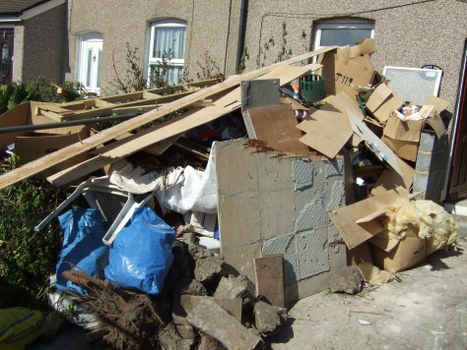
Some commercial waste jobs involve items left behind in managed buildings, rented premises or mixed-use properties rather than in a conventional office. In those situations, the clearance may resemble a house clearance in the type of items present, but the work still needs a commercial approach because the site is being handled on behalf of a business, landlord or property manager. We remove general household-style contents where they form part of a commercial clear-out.
That can include furniture, bags of mixed items, shelving, small appliances and assorted belongings that need to be collected from a room, flat or back-of-house area. If the property includes a broader domestic-style clearance, house clearance and flat clearance give a clearer picture of those related services. The key is to match the collection method to the property type and the quantity of material involved.
Where several rooms are being dealt with, it is useful to identify which spaces are included and whether anything is to remain. A short note about access, parking and the condition of the contents helps us prepare a sensible plan. Keep the instruction simple, specific and complete so the quotation reflects the actual work required.
Pricing, access and booking the right collection
Booking online is available if you already know what needs removing and want to move quickly to the next stage. The main factors that affect a commercial waste quotation are usually the type of waste, the amount to be removed, the ease of access and whether the load includes bulky items or special handling requirements. Clear descriptions make the estimate more accurate and reduce the need for follow-up questions.
A practical enquiry usually includes the location of the waste within the premises, whether it is on one floor or several, and any restrictions that matter for the collection itself. If there are loading bays, narrow entrances, shared corridors or set time windows, those details are worth mentioning early. For larger clearances or items that need dismantling, it may also help to note whether anything is fixed to the wall or floor. Contact us when you are ready to arrange the next step.
Our approach is to keep the process clear rather than complicated. You do not need to write a long explanation, but a short, factual description of the waste gives the best starting point. If you prefer, have the main items listed before you enquire; that usually makes the conversation easier and the quotation more useful.